
5 Workplace Design Trends Every HR Leader Should Know in 2025
The way we work has changed – again. If you thought hybrid working was the biggest shift, think again.
In 2025, workplace design is all about creating spaces that make employees want to be there. Whether it’s for collaboration, wellness or sustainability, office design isn’t just about desks and chairs anymore – it’s about experience.
So, if you’re in HR, facilities or workplace management, here are five key trends you can’t ignore.
1. Hybrid work-optimised spaces

Hybrid working is here to stay, but that doesn’t mean offices should sit half-empty or feel redundant. Instead, companies are rethinking their layouts to support both remote and in-person collaboration. Forget the old rows of desks – today’s offices have:
- Reconfigurable spaces that can switch between solo work and team collaboration
- Smart scheduling tools to make desk booking seamless
- Better video conferencing setups to keep remote workers engaged
A recent Gartner report found that 75% of hybrid or remote workers now expect flexible working options. That means companies need to offer a workplace that’s worth the commute.
2. Wellness-driven design
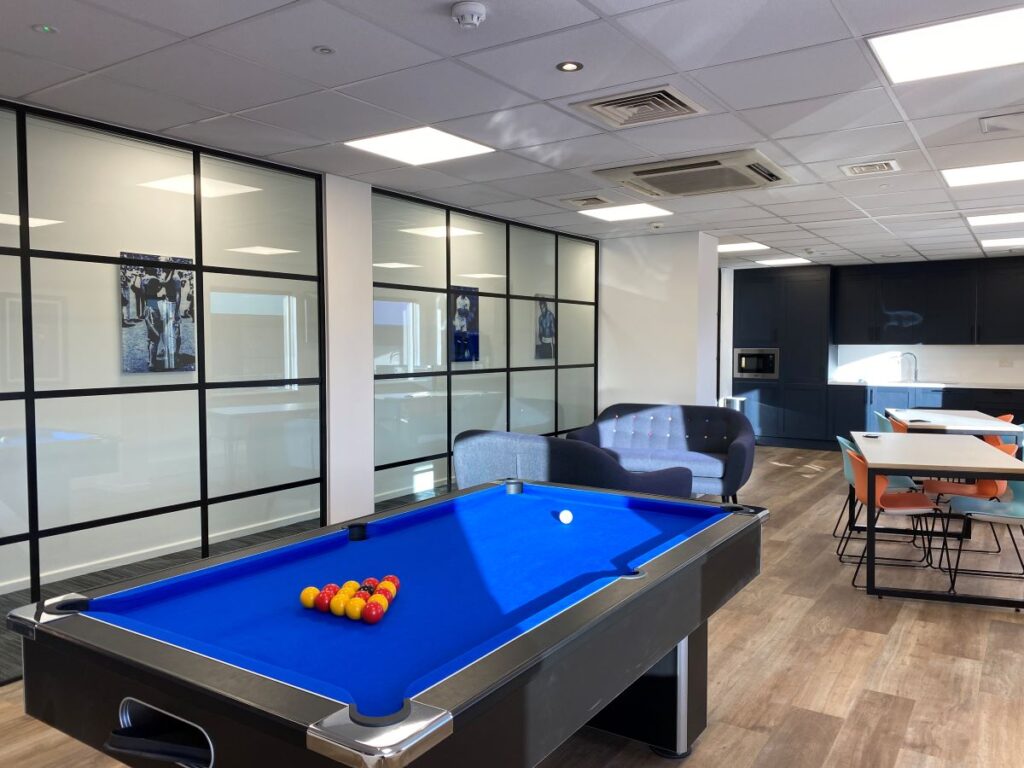
Employee wellbeing is no longer a nice-to-have – it’s a must. A study from the International Journal of Environmental Research and Public Health found that offices with natural elements boost employee wellbeing by 15% and productivity by 6%. So, what does a wellness-focused office look like in 2025?
- Biophilic design (think living walls, plenty of greenery and natural light)
- Relaxation zones with quiet spaces for mindfulness
- On-site fitness facilities or partnerships with local gyms
HR leaders are now working closely with wellness experts to integrate these features – not just for aesthetics, but to genuinely improve employee health and satisfaction.
3. Collaboration-centric spaces

Since many employees prefer doing focused work at home, offices are evolving into hubs for teamwork. In fact, a 2024 McKinsey report found that employees with access to well-designed collaboration spaces are 30% more engaged and innovative. The best offices now include:
- Huddle rooms and informal spaces for quick brainstorming
- Modular furniture to support different work styles
- Outdoor meeting areas for a fresh-air boost to creativity
HR teams aren’t just providing the space – they’re also upskilling employees in collaboration techniques to make sure these spaces are used effectively.
4. Inclusive and neurodiverse-friendly design
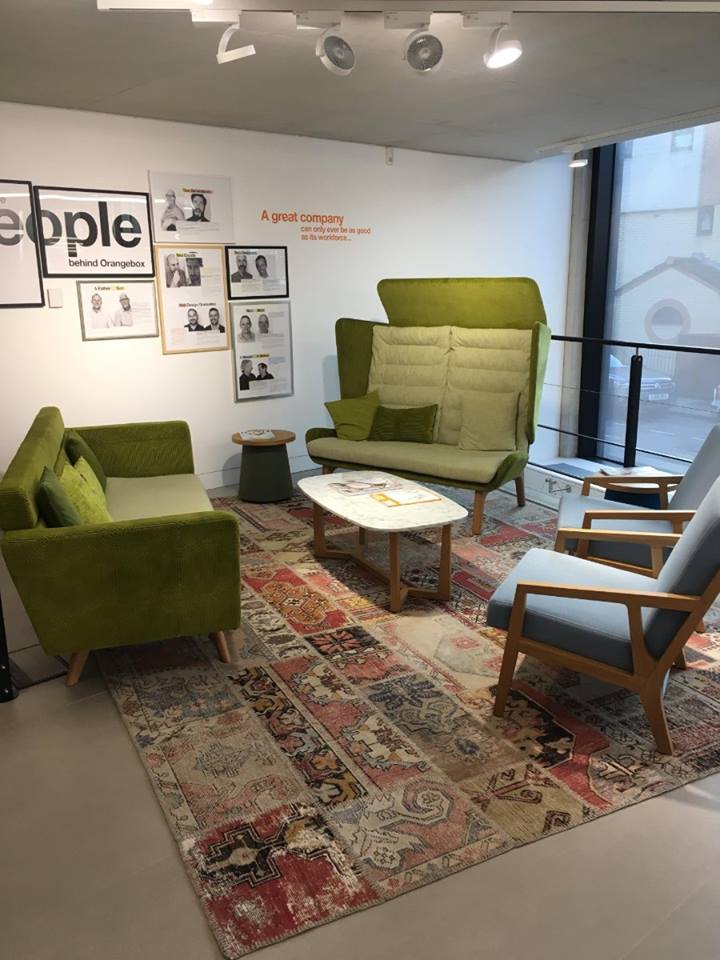
Inclusivity goes beyond wheelchair ramps. In 2025, workplace design is catering to neurodiverse employees – those with ADHD, autism and other cognitive differences. A report from Accenture revealed that companies prioritising disability inclusion are 1.7 times more likely to be innovation leaders. Leading firms are now adding:
- Adjustable lighting and acoustics to cater to sensory needs
- Quiet zones for deep-focus work
- Flexible seating options to suit different physical requirements
HR leaders play a key role in ensuring these spaces are designed with real employee needs in mind, often by conducting workplace accessibility audits.
5. Sustainability and smart building technology
With sustainability high on corporate agendas, green office design is no longer optional. The U.S. Green Building Council reports that LEED-certified buildings use 25% less energy and 11% less water – and employees are taking notice. In 2025, sustainable offices feature:
- Eco-friendly materials in furniture and construction
- Smart energy systems that optimise lighting and heating usage
- Sustainability certifications like BREEAM and WELL
HR teams are leading the charge in communicating these initiatives, ensuring employees are engaged in workplace sustainability efforts.
Final thoughts
The workplace is no longer just a physical space – it’s a tool for engagement, productivity and wellbeing. HR leaders who embrace these trends will be at the forefront of the future of work, creating environments where employees thrive. So, is your office ready for 2025?
To read more about this, download our whitepaper on Design Trends you need to know »
Call us today!